
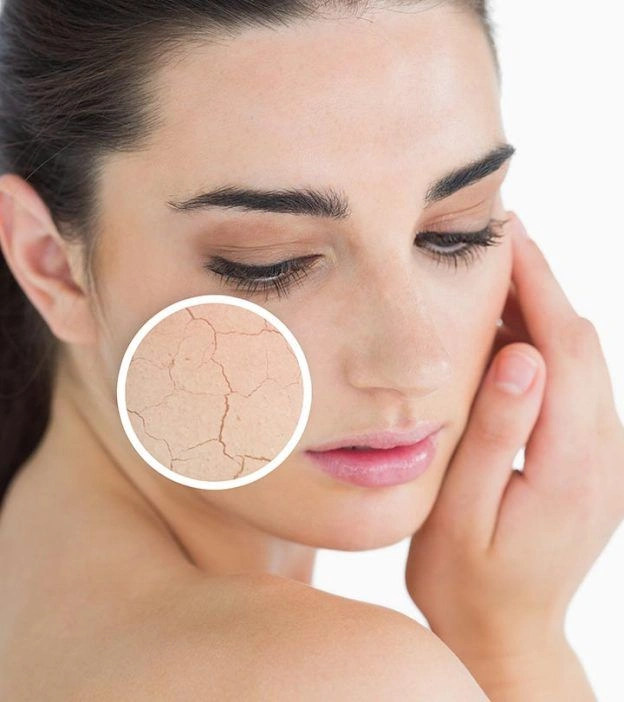
Understanding dry skin at a glance
Dry skin happens when the skin loses moisture faster than the body can replenish it. This can lead to flaking, rough texture and a tight feeling after washing. Environmental factors like cold air, central heating, and sun exposure, as well as ageing, can thin the skin’s natural protective barrier. Recognising these triggers helps you tailor a routine that protects moisture in the Skin Care for Dry Skin upper layers of the skin. When moisture is locked in, the complexion looks smoother and more comfortable, with fewer visible rough patches or redness. Manage expectations, since skin conditions can vary daily based on weather, activity, and health. A simple hydration-led approach can make a marked difference over weeks, not hours.
Daily cleansing that respects moisture balance
Choose a gentle cleansing routine that cleanses without stripping. Look for mild, fragrance-free cleansers with hydrating ingredients such as glycerin or aloe vera. Avoid harsh soaps, foaming formulas, and very hot water, which can disrupt the skin’s protective lipids. Rinse promptly and pat dry with a soft towel, then apply moisturiser while the skin is still slightly damp. Consistency matters: a simple morning and evening routine supports barrier function and reduces uncomfortable tightness, leaving the skin feeling calmer and more comfortable through the day.
Moisturising strategies that nourish the barrier
Moisturisers form a protective film that reduces water loss and helps skin feel supple. Look for products containing ceramides, petrolatum, glycerin, and fatty acids to help restore the barrier. For dry, sensitive skin, patch testing new products is wise to avoid irritation. Apply moisturiser immediately after cleansing to trap moisture, and consider richer formulations at night when the skin repairs itself. If your skin feels oily in some areas, focus on moisturisers that balance hydration without clogging pores, then layer with a gentle occlusive at bedtime to lock in hydration.
Targeted treatments for comfort and resilience
In addition to daily moisturisers, consider gentle serums with hyaluronic acid to attract and hold moisture. Niacinamide can support barrier repair and reduce redness, while avoiding fragrances helps minimise irritation. Use sunscreen daily to protect against photoaging, as UV exposure can worsen dryness and sensitivity. If you notice persistent flaking, consult a dermatologist to rule out underlying issues such as eczema or psoriasis. A well-rounded routine combines hydration, barrier support, and sun protection for long-term comfort and resilience.
Lifestyle habits that enhance skin hydration
Hydration starts from within. Aim for regular water intake and a balanced diet rich in essential fatty acids, antioxidants, and minerals that support skin health. Manage indoor air quality and humidity, especially in winter; a humidifier can help maintain surface moisture. Sleep and stress management also influence the appearance of dry skin, as stress can trigger skin sensitivity and inflammation. Wearing gentle fabrics and avoiding irritants in soaps or detergents further reduces daily irritants that can worsen dryness and discomfort.
Conclusion
Skin Care for Dry Skin benefits from a steady, barrier-friendly approach that emphasises gentle cleansing, targeted moisturisers, and protection from environmental stressors. By choosing products with ceramides and humectants, practising a regular routine, and supporting skin from within, you can reduce tightness and flaking while preserving natural radiance. Track how your skin responds to different products and adjust as needed, keeping the focus on lasting comfort and resilience.