
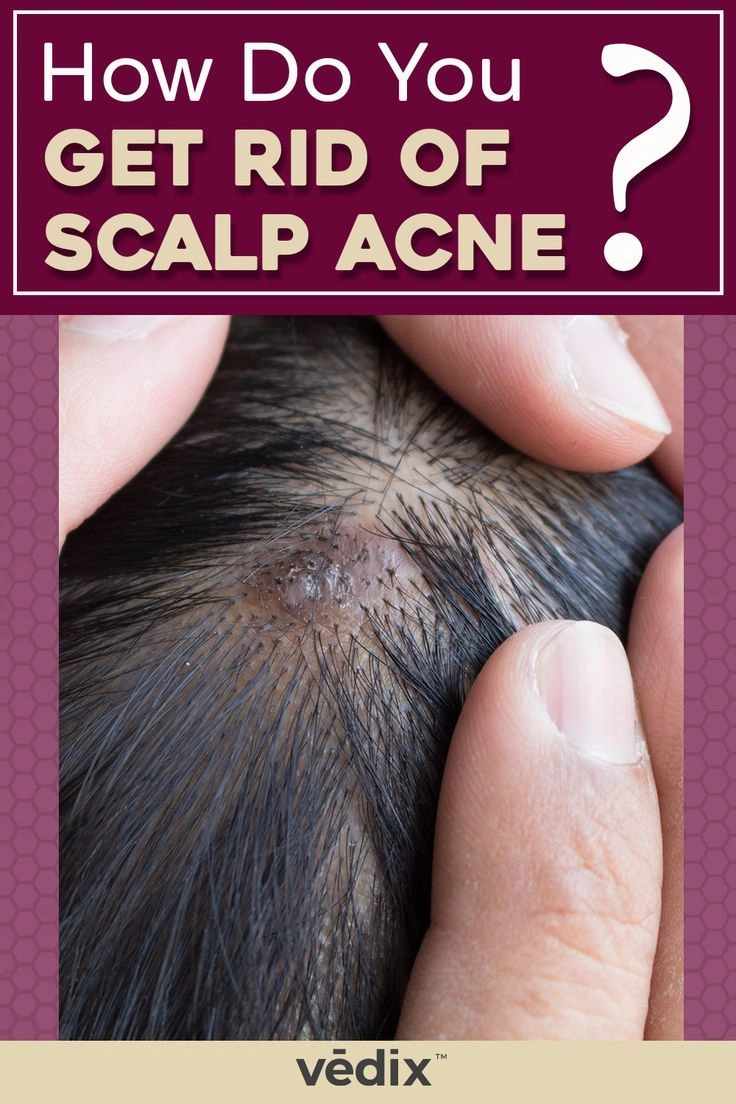
Understanding scalp acne causes
Scalp acne can arise from a blend of excess oil, clogged follicles, and environmental factors. Hormonal changes, skincare products that irritate the scalp, and frequent sweating can aggravate breakouts. When follicles become blocked with oil, dead skin cells, and bacteria, red bumps and pustules may appear along the hairline or across the crown. Managing these issues requires Scalp Acne Treatment a careful approach that balances cleanliness with gentle care, avoiding harsh scrubs that can irritate the skin further. Attention to both scalp health and overall skin conditions reduces recurrence. A clear understanding of triggers helps build a sustainable routine that fits into daily life without excessive effort.
Choosing the right cleanser and routine
When you start with a scalp specific cleanser, look for ingredients that target oil control and mild exfoliation without stripping moisture. Salicylic acid and gentle beta hydroxy acids can help dissolve excess sebum and unclog pores, while soothing additives like aloe vera can calm irritation. Avoid shampoos with strong fragrances or heavy silicones that can accumulate on the scalp over time. Establish a regular washing pattern that suits your hair type and activity level, ensuring the scalp is thoroughly rinsed to prevent residue buildup. Consistency is key, so aim for a routine that you can maintain twice weekly or daily if needed.
Targeted treatments and active ingredients
Topical treatments containing ingredients such as benzoyl peroxide or tea tree oil may offer antibacterial benefits for scalp acne, but they should be used with caution to avoid drying or irritating the scalp. Start with a patch test on a small area and increase gradually if tolerated. For persistent spots, consult a professional who can recommend medicated options or prescription-strength products tailored to the scalp’s unique needs. It’s important to monitor how your skin responds and adjust frequency to prevent excessive dryness, which can trigger more oil production as a compensatory response. A gradual approach often yields better long term results.
Diet, stress, and lifestyle links
Diet and stress can influence skin health on the scalp as much as on the face. Consider reducing highly processed foods and dairy if you notice flare ups after meals, while increasing hydration and a balanced intake of omega fatty acids. Regular exercise can help regulate hormones and improve circulation, yet sweating without cleansing can feed bacteria on the scalp. Adequate sleep supports skin repair processes. Mindful relaxation techniques reduce chronic stress levels, which can otherwise feed inflammatory responses in the body and on the scalp itself. Small lifestyle tweaks can dramatically ease symptoms over time.
Hair care practices that protect healing skin
Avoid aggressive combing or heat styling while scalp lesions are active, as friction can worsen irritation and slow healing. Choose a gentle, non-comedogenic conditioner and rinse thoroughly to prevent product buildup. Hats and headwear should be breathable to reduce sweat accumulation. When using styling products, apply away from the scalp to minimise contact with follicles. If you colour or treat hair regularly, seek options labeled as scalp friendly. Protecting healing skin from sun exposure also helps prevent further irritation and pigment changes in affected areas.
Conclusion
Ongoing care for scalp acne involves a balanced routine, patient monitoring, and attention to how your body responds to different treatments. Start with a mild, scalp friendly cleanser, introduce targeted actives gradually, and adapt your routine based on progress and comfort. Combine good hygiene with smart lifestyle choices to reduce flare ups and support healthier skin under the hair. If symptoms persist despite consistent effort, seek advice from a dermatologist or trichologist who can tailor a plan to your needs.