
Intro and how to use it
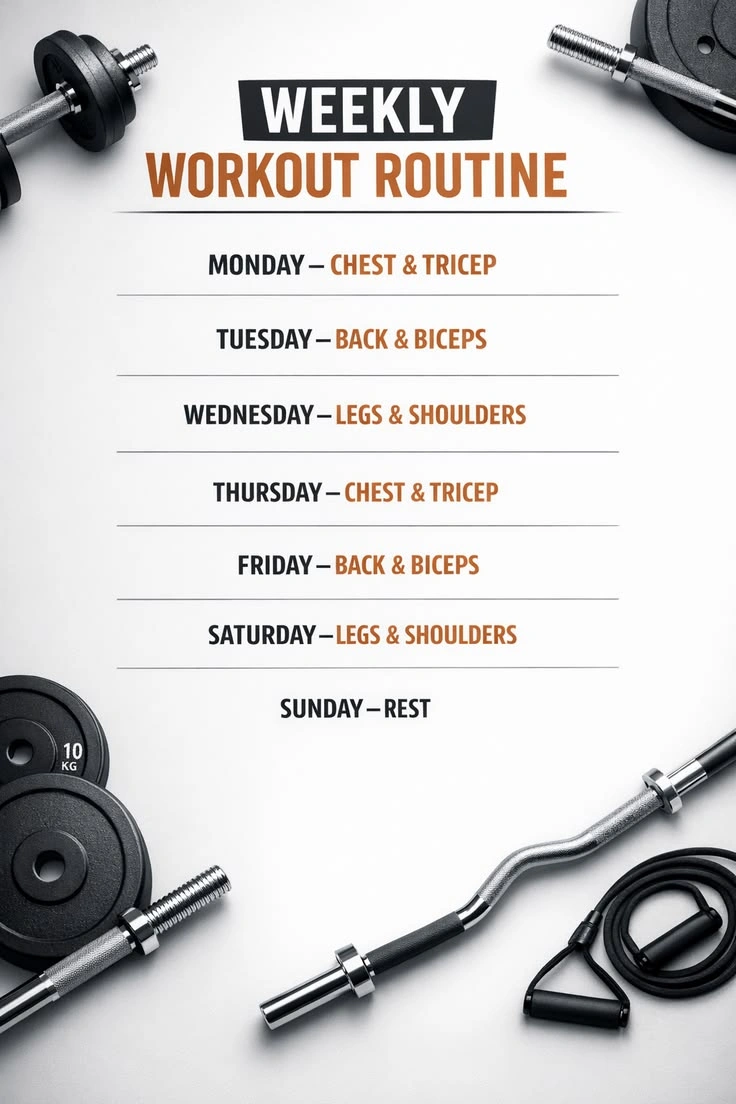
Anyone aiming to build strength, balance, and consistency can benefit from a structured training plan. This guide lays out a clear approach for a six day gym routine that balances push, pull, legs, and accessory work while allowing for adequate recovery. When starting a new schedule, consider your current 6 Day Gym Workout Schedule fitness level, a warm up routine, and the specific goals you want to prioritise. Access to a standard gym provides a wide range of options, but the core idea is simple: train with purpose, progress gradually, and listen to your body.
Day 1 push focused strength
Begin with a solid warm up, then prioritise compound presses that target the chest shoulders and triceps. A typical session includes a main compound lift such as a barbell bench press, followed by accessory presses and hypertrophy work. Pair sets to move from heavier loads to higher reps to stimulate both strength and muscular endurance. Finish with targeted arm work and mobility drills to improve shoulder health and range of motion. This setup keeps the routine efficient while laying a strong foundation for the week.
Day 2 pull focused strength
Focus on pulling movements to develop the back and biceps and to balance the push day. Start with a multi joint exercise such as weighted pull ups or barbell rows, then add rows and lat work, ending with some direct bicep training. Use controlled tempo and full range of motion to maximise muscle engagement. Include a concluding mobility sequence for the spine and shoulders to support posture and reduce stiffness after a heavy pulling day.
Day 3 leg day and conditioning
Leg training should target all major muscle groups in the lower body with attention to joints and mobility. Use a mix of squats, deadlifts or hip hinge movements, and lunges or split squats to emphasise both force production and muscle balance. Finish with some posterior chain work and light conditioning such as sled pushes or incline treadmill intervals. Prioritise form, especially on compound lifts, and adjust weights to maintain performance without risking technique breakdown.
Day 4 push hypertrophy and deltoids
This session shifts emphasis toward muscular size and shoulder development. Include incline presses, dumbbell side raises, and cable or dumbbell tricep work with a focus on time under tension. Incorporate gradual rest periods and superset short sequences to increase training density without extending sessions excessively. Core stabilisers should be engaged to protect the spine as loads increase, and mobility drills can help maintain shoulder health over the week.
Day 5 pull hypertrophy and arms
Back off the heavy lifting slightly and prioritise volume for back thickness and arm development. Use higher rep ranges on rowing variations and lat focused movements, and finish with direct bicep and forearm work. A short finisher such as banded pull aparts or face pulls can promote shoulder health and posture. Keep tempo controlled and ensure recovery strategies are in place for the next day’s leg focus.
Conclusion
Consistency is the backbone of progress with any 6 day plan. Track weights, reps, and how you feel after sessions to make informed adjustments. Prioritise sleep and nutrition to support recovery, and consider deloading if you notice persistent fatigue or performance plateaus. With steady adherence, a six day gym workout schedule can help you reach clear strength and conditioning goals while fostering long term habits.
 Nishana